Infographic – Energy Efficiency – Variable Speed Motors & Drives

See on Scoop.itGreen Building Operations – Systems & Controls, Maintenance & Commissioning

Infographic – Energy efficiency. A solution.

Duane Tilden‘s insight:

Industry has been reported to consume between 40 and 60% (UN Report) of the world’s electrical supply.  Motors are the largest consumer of the industrial electrical supply and the greatest opportunity for industry wide savings.

Many motors are over-sized and run inefficiently.  Variable speed drives can significantly reduce industrial operating costs, with attractive payback period and reductions in energy consumption by up to 50% or more.

See on www.abb.com

DIY Reserve Study Site Launched

See on Scoop.itGreen Building Operations – Systems & Controls, Maintenance & Commissioning

CALABASAS, Calif., Oct. 24, 2013 /PRNewswire-iReach/ — Association Reserves, a well-known provider of reserve study services in the United States, recently announced its decision to launch a new website dedicated to their Do-it-Yourself Reserve Study kit.

Duane Tilden‘s insight:

>According to an article written using data from Association Reserves’ 30,000 reserve studies, 70 percent of associations in the United States are “underfunded.” This puts many organizations at an increased risk of special assessments, deferred maintenance, declining property values, and board member liability. According to the company, by accounting for the ongoing cost of common area deterioration and then properly funding reserves, boards are able to responsibly prepare for their associations’ future expenses.

“Our goal is to eliminate all excuses for board members not to be aware of the current strength of their Association’s reserve fund and the funding plan necessary to perform common area repairs & replacement in a timely manner,” says Robert Nordlund, PE, RS, the company’s founder. “The path from underfunded to appropriately-funded is a journey and a Reserve Study provides the necessary road map.”<

See on www.prnewswire.com
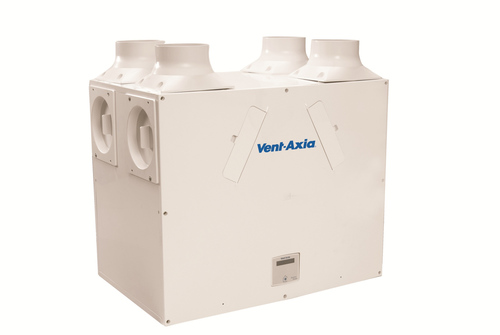
Manufacturer’s Energy Efficient Heat Recovery Unit Runs High in Energy Awards

See on Scoop.itGreen Building Design – Architecture & Engineering

Vent-Axia has made the final shortlist in the prestigious Energy Awards 2013, which recognise and reward companies leading the way in reducing carbon emissions. Vent-Axia’s Lo-Carbon Kinetic Plus E…

Duane Tilden‘s insight:

>Consuming as little as 20W, the Kinetic Plus E only costs around £20 a year to run, offering 94% thermal efficiency and potentially recovering 10 or 20 times more energy than it costs to operate. This offers homeowners an attractive cost saving as we enter the winter months and rising fuel costs.<

See on kirhammond.wordpress.com

2015 IECC energy code raises requirements for efficiency, lighting controls, advanced HVAC in existing buildings

See on Scoop.itGreen Building Design – Architecture & Engineering

By Brianna Crandall, October 23, 2013—Hearings to finalize the 2015 International Energy Conservation Code (IECC) wrapped up in Atlantic City recently with big wins for higher efficiency requirements in existing buildings, controls for lighting and daylighting hardware and HVAC equipment specifications, according to a news release from the New Buildings Institute (NBI),

Duane Tilden‘s insight:

>The IECC is reviewed and updated every three years and serves as the model energy code for states and local jurisdictions across the country. The last version is the 2012 IECC.

In the United States, buildings account for about 40% of the energy consumed and 38% of all CO2 emissions, according to the U.S. Green Building Council. Cost-effective measures that cut the energy used by buildings represent a critical strategy to help building owners save money and curb the impacts of climate change, notes NBI.

“The updates related to existing and historic buildings clarify and further extend the code’s impact on the current building stock and will mean large energy savings growing over time,” said Jim Edelson, NBI senior manager of codes and policy. “Taken together, the approved code changes represent the most significant code revisions for energy consumption of existing buildings since the 1970s.”<

See on www.fmlink.com

Call for Energy Efficient Air-Conditioning with Technological Development

See on Scoop.itGreen Building Design – Architecture & Engineering

Innovations could cut the growing amount of energy used for air-conditioning and refrigeration

Duane Tilden‘s insight:

>Conventional air conditioners employ refrigerants such as chlorofluorocarbons to absorb heat from the room to be cooled. That heat is then expelled outside, requiring electrically powered pumps and compressors.

One idea to conserve energy is to replace coolant fluids and gases—which are often super-powered greenhouse gases capable of trapping more than 1,000 times more heat than CO2—with solid materials, such as bismuth telluride.

A new device from Sheetak, developed in part with ARPA-E funding, uses electricity to change a thermoelectric solid to absorb heat, and could lead to cheaper air conditioners or refrigerators.

Such refrigerators, which lack moving parts and are therefore less likely to break down, can be lifesavers in remote, rural areas for keeping medicines cool or food fresh.<

See on www.scientificamerican.com