Oil price loss seen as gain for consumers: ‘What is saved at the pumps will be spent at malls’

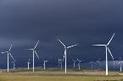
Supply of Renewable Wind Power Surges in Texas with some Plant Closures

See on Scoop.itGreen & Sustainable News

Market Upheaval In the U.S., hydraulic fracturing techniques used to drill shale have produced a flood of cheap natural gas. That, combined with the growth in wind and tepid customer demand, is upending power markets, leading to plant closures and bankruptcy for some generator owners.

Duane Tilden‘s insight:

>Traditional power companies across the U.S. and Europe are struggling to compete in wholesale markets with newer generators supplying subsidized wind and solar energy. In Texas, wind has more than doubled in the past six years and now makes up 13 percent of the state’s generation capacity.[…]

Falling Prices – Electricity prices for 2014 also have fallen. The on-peak North Texas power price for next year has dropped 19 percent since reaching a peak on May 23, according to data compiled by Bloomberg.

During a heat wave in the first week of August, ample wind supplies served to keep a lid on prices that would’ve normally spiked from the higher demand, NRG Chief Executive Officer David Crane said during a call with investors on Aug. 9. “Wind energy reduces electricity prices and that is good for consumers,” said Michael Goggin, an analyst for the American Wind Energy Association, an industry trade group. “Wind energy has no fuel costs, allowing it to replace more expensive and polluting sources of energy.”

Once complete, Oncor’s power lines will be part of a system that can eventually deliver about 18,500 megawatts of wind power, nearly double the amount now available in Texas and 25 percent of the state’s current generation capacity.<

See on www.renewableenergyworld.com

1973-74 Oil Crisis – Timeline – Slaying the Dragon of Debt – UC Berkeley

See on Scoop.itGreen & Sustainable News

Between October 1973 and January 1974 world oil prices quadrupled. By putting an end to decades of cheap energy, the 1973-74 oil crisis, which was led by Arab members of the Organization of Petroleum Exporting Countries (OPEC), exacerbated the economic difficulties facing many industrialized nations, forced developing countries to finance their energy imports through foreign borrowing, and generated large surpluses for oil-exporters.

Duane Tilden‘s insight:

>The 1973-74 oil crisis followed years of often acrimonious negotiations between members of the Organization of Petroleum Exporting Countries (OPEC) and Western oil companies over petroleum production and pricing levels. Richard Nixon’s decision to take the U.S. off the gold standard in 1971 was of particular importance in contributing to the oil crisis.

Because oil prices were denominated in dollars, the devaluation that accompanied the end of the Bretton Woods monetary regime negatively impacted oil exporting countries and led OPEC officials to consider remedial steps, such as pricing oil in gold instead of dollars. Little came of these efforts until October 1973, when Arab members of OPEC, in response to the outbreak of the Yom Kippur War, raised the posted price of crude by 70% and placed an embargo on exports to the U.S. and other nations allied with Israel.

Although the fighting ended in late October, OPEC continued to use the “oil weapon” over the coming months. In November oil exporters cut production 25% below September levels, and the following month they doubled the price of crude. By January 1974 world oil prices were four times higher than they had been at the start of the crisis.<

See on bancroft.berkeley.edu